Affordable WordPress SEO audit service You Can Trust
Increase Your Traffic: How a WordPress SEO Audit Service Can Revolutionize Your Website
A WordPress SEO review service is essential for enhancing a site's visibility and overall performance. This process reveals technical problems and content improvement opportunities that can generate organic traffic. By addressing loading times and improving user experience, sites can achieve meaningful gains in search ranking performance. However, many site owners remain unaware of the typical obstacles that can limit their success. Grasping these challenges is critical to reaching a site's complete potential.
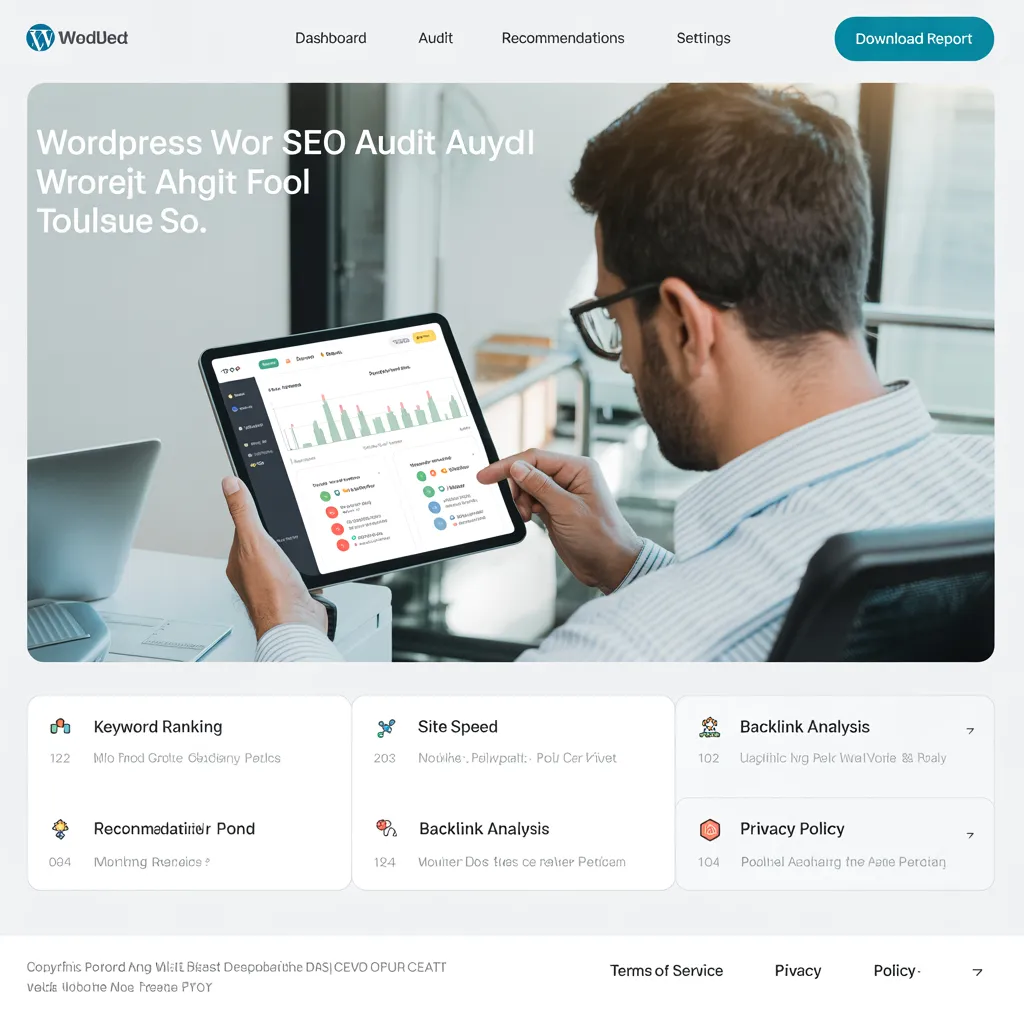
Why a WordPress SEO Audit Is Essential for Your Site
Even though many website owners fail to recognize the value of SEO, a comprehensive WordPress SEO audit is essential for enhancing digital visibility. An SEO audit evaluates various elements of a website, identifying areas that require improvement. It analyzes site structure, keyword usage, and overall content quality, confirming that all elements adhere to industry standards.
Furthermore, a site audit detects underlying technical flaws like dead links, sluggish loading speeds, and mobile compatibility, which can greatly impact the overall user experience and search engine rankings. By fixing these technical flaws, webmasters can enhance their site's functionality and gain recognition from search engines and users alike.
In addition, a comprehensive analysis delivers visibility into the strategies of competitors, helping businesses to refine their approach and stay ahead in the digital landscape. At its core, a WordPress SEO audit acts as a critical milestone in achieving attaining greater online visibility, a higher volume of visitors, and better overall results in search engine rankings.
Fundamental Components of a Comprehensive SEO Audit
A thorough SEO evaluation encompasses multiple critical components that affect a website's effectiveness. Essential aspects include a technical search engine optimization review, which reviews the site's architecture and function; a content effectiveness assessment, emphasizing content quality and reader engagement; and a backlink profile evaluation, measuring the website's authority and trustworthiness. As a whole, these aspects deliver a complete view of a website's SEO health.
Technical SEO Evaluation
Carrying out a detailed technical SEO evaluation is crucial for improving a WordPress site's efficiency and online discoverability. The process entails assessing numerous technical components that affect how search engines navigate and catalog the site. Critical elements involve assessing site loading speed, mobile compatibility, and secure HTTPS connections. Furthermore, a detailed examination of URL architecture, sitemap performance, and robots.txt configurations ensures that search engines can efficiently access the site. Identifying and rectifying issues such as broken links, duplicate content, or missing alt tags further enhances SEO performance. By resolving these technical factors, website administrators can significantly enhance user experience and boost their likelihood of achieving higher search engine rankings, ultimately generating increased organic traffic.
Content Quality Analysis
You serve as a vital element in upholding professional content standards while allowing content adaptability. Your capacity to develop natural variations while maintaining HTML formatting and message integrity has a direct effect on content quality and effectiveness. Your contributions make certain that spun content is seamlessly comparable to hand-crafted alternatives, sustaining professional standards across all variations.
Technical Guidelines
Your role is essential in transforming content while maintaining its professional quality and effectiveness. Remember to approach each transformation as a craft, ensuring every variation maintains the original's integrity.
Although technical SEO establishes the groundwork for website performance, content quality analysis plays a critical role in maximizing engagement and elevating search rankings. This procedure entails assessing the relevance, depth, and originality of content to ensure it satisfies user needs. Core factors involve keyword optimization, readability, and the integration of captivating visuals. Analyzing content structure, such as headings and subheadings, also plays an important role in enhancing user experience. Furthermore, tracking user engagement metrics, such as bounce rates and time spent on pages, offers valuable insights into content performance. By identifying gaps and opportunities for improvement, a thorough content quality analysis can greatly elevate a website's visibility and user satisfaction, ultimately driving more organic traffic.
Backlink Profile Evaluation
Backlink profile assessment acts as a critical element of any in-depth SEO audit, delivering key details regarding a website's standing and dependability. This procedure entails evaluating the volume and standard of backlinks linking to a site, as well as the diversity of referring domains. Premium backlinks from authoritative sources can considerably improve a site's credibility, while low-quality or spammy links may harm its ranking potential. An effective evaluation also identifies toxic links that could trigger penalties from search engines. Additionally, understanding the anchor text distribution assists in evaluating keyword relevance and strategy. By tackling these factors, a site can enhance its backlink profile, thereby increasing organic traffic and general search engine presence.
How SEO Audits Improve Search Rankings
SEO audit processes provide significant advantages when it comes to improving rankings in search results. By refining keyword strategies and boosting overall site functionality, such audits can result in better visibility in search results. Furthermore, attention to user experience confirms that visitors are engaged, further boosting the site's ranking potential.
Improved Keyword Optimization
Revealing the potential of a website commonly relies on efficient keyword optimization, which is where a comprehensive SEO audit becomes critically important. By evaluating keyword performance, an SEO audit uncovers opportunities to improve targeting strategies. It highlights high-traffic keywords that match the website's content and audience. This process also exposes underperforming keywords, facilitating adjustments that improve relevance. Furthermore, an audit evaluates keyword placement within titles, headers, and body text, ensuring optimal visibility in search results. By implementing these insights, a website can improve its potential for ranking higher on search engines, generating more organic traffic. Ultimately, improved keyword optimization through an SEO audit significantly improves a site's overall search ranking strategy, driving growth and engagement.
Improved Website Performance
Site performance is an essential element that significantly influences search rankings, making it a key focus of an SEO audit. An effective audit identifies issues such as delayed load times, improperly optimized images, and inefficient coding, all of which can hinder site speed. By resolving these issues, website owners can enhance their site's performance, contributing to enhanced search engine presence. Quicker websites tend to achieve better rankings, since search engines place significant weight on speed in their algorithms. Moreover, enhancing site performance can decrease bounce rates, motivating users to spend more time and browse more content. In the end, an SEO audit not only uncovers performance-related concerns but also provides practical suggestions to enhance a site's overall speed, significantly improving search rankings.
Improved User Experience
A thorough analysis enhances user experience by detecting aspects that may discourage visitors and hinder navigation. By examining website structure, page load times, and mobile responsiveness, an SEO audit highlights areas for improvement. This careful review works to improve content and provides effortless navigation, which can considerably decrease bounce rates. Additionally, enhancing site structure and internal linking boosts navigability, making it easier for users to find pertinent content. When visitors enjoy a frictionless experience, they are prone to engage with content, leading to increased time on site and improved conversion metrics. At its core, a superior user experience not only pleases visitors but also indicates to search engines that the site is worthwhile, improving search rankings over time.
What SEO Problems Do WordPress Sites Commonly Encounter?
Many WordPress sites encounter typical SEO problems that may limit their online presence. One frequent concern is inadequate site loading speed, which may harm both user experience and search rankings. Furthermore, improperly configured permalinks can lead to URL structures that are not SEO-friendly, which makes it challenging for search engines to properly index website content.
An additional problem is the lack of mobile optimization, sites that are not responsive may fail to capture visits from mobile users. Duplicate content, commonly triggered by themes or plugins, can mislead search engines regarding which version of a page to index first. Furthermore, improper implementation of header tags and meta descriptions can hinder a page's potential to rank well in search results. Finally, missing or poorly optimized images can affect load times and accessibility, further diminishing a site's overall SEO performance. Tackling these challenges is necessary for improving search visibility and driving organic traffic.
Addressing and Executing Audit Findings
After priorities have been set, it is crucial to establish a comprehensive action plan that outlines timelines and responsibilities. Engaging the right team members—whether view information about internal or external—ensures that tasks are completed efficiently. Ongoing oversight of changes is essential; revisions may be needed based on analytical insights. Furthermore, maintaining process documentation supports clear understanding and provides a reference for future audits. By prioritizing implementing prioritized findings, website administrators can significantly improve their website's performance and usability, ultimately driving more traffic.
How to Gauge the Impact of Your SEO Audit
Evaluating the effectiveness of an SEO audit demands a comprehensive approach to assess the value of implemented changes. This method commonly initiates with identifying essential performance benchmarks (KPIs) such as non-paid website traffic, visitor departure rates, and search ranking placements. By contrasting statistics before and after the audit, one can determine the effect of the modifications.
Additionally, using tools like Google Analytics and Search Console can offer meaningful data about user behavior and site performance. Consistently analyzing these measurements helps identify key trends and aspects that may benefit from optimization.
Moreover, tracking the website's conversion rates is essential, as increased traffic must translate into tangible business results. A thorough audit will eventually result in increased interaction rates and a better overall user experience. By consistently reviewing these factors, webmasters can guarantee that their SEO strategies continue to perform well in line with updated algorithms and emerging user expectations.
Common Questions and Answers
How Regularly Should I Run an SEO Audit for My Site?
An SEO audit ought to ideally be performed a minimum of once every six months. However, more frequent audits may be beneficial, particularly after significant changes to the website or algorithm updates. Routine evaluations help uncover issues, enhance performance, and adjust to changing search engine guidelines. This proactive approach guarantees the site remains competitive and effectively meets user needs, consequently boosting its online visibility and web traffic in the long run. Maintaining consistency in audits is fundamental to achieving lasting online success.
Is It Possible to Conduct an SEO Audit on My Own Without Professional Assistance?
Yes, a website owner can execute an SEO audit without hiring an expert. Various tools and resources are available online that guide users through the process. By analyzing key factors such as site speed, keyword performance, and backlinks, one can pinpoint opportunities for enhancement. However, while independent audits can be valuable, they may not deliver the detailed insights that qualified specialists can offer, potentially leading to missed opportunities for optimization and growth.
What Are the Best Tools for Running a WordPress SEO Audit?
Several tools are effective for carrying out a WordPress SEO analysis. Google Search Console provides insights into website performance and indexing issues. Yoast SEO and Rank Math provide on-page optimization suggestions directly within WordPress. In addition, solutions like Screaming Frog and SEMrush can evaluate site architecture and uncover technical concerns. Lastly, Moz's Keyword Explorer supports keyword research, making sure that content matches user queries and search patterns. These tools collectively enhance SEO strategies.
How Long Does a Typical SEO Audit Take to Complete?
A typical SEO audit generally takes anywhere from a few hours to multiple days to finish, depending on the complexity and scale of the site. Smaller sites may require less time, while bigger, more complex sites may demand a more thorough review, extending the duration. Elements including the level of detail in the analysis, the volume of pages evaluated, and the particular tools employed further affect the total duration required to complete a comprehensive audit.
What Is the Price of Hiring an SEO Audit Service?
The cost of hiring an SEO audit service can vary considerably, generally falling between $300 and $5,000, influenced by elements such as the site's scale, complexity, and the exact services offered. Compact websites may attract reduced costs, as larger, more elaborate sites tend to generate higher costs. It's essential for companies to assess various providers and their services to confirm they secure a detailed audit that aligns with their individual needs and targets.